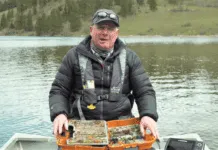
Jason Balogh is back from Fish the Fly Guide Service to recap his season around Jackson Hole and break down how he introduces new anglers to fly fishing. We cover beginner-friendly gear, dry dropper setups, casting basics, and how to read water on big Western rivers like the Snake.
Jason’s season started early thanks to a warm, dry spring. That meant earlier access to the Snake River and strong early-season fishing with midges, blue-winged olives, and stoneflies.
Runoff came fast, pushing trips toward the Green and New Fork Rivers. Despite lower flows, water temps held surprisingly well through most of the summer, keeping fishing solid longer than expected.
Jason keeps beginner gear straightforward and durable. Most Snake River trips use 5 and 6-weight rods, with six-weights doing most of the work due to wind and hopper-dropper rigs.
Jason notes that modern reels are overbuilt for trout, so there’s no need to overspend.
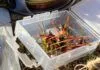
Rather than overwhelming beginners with fly boxes, Jason focuses on a short list that works almost everywhere in the West.
Ant patterns stand out because trout eat them aggressively, making strikes easier to see for beginners.
The dry-dropper rig is Jason’s top beginner setup. It’s visual, forgiving, and effective in a wide range of conditions.
During hot summer afternoons, Jason drops the nymph deeper. During active hatches, he shortens the dropper to keep flies in the film.
Jason starts casting lessons without hooks to remove fear and tension. The focus is rhythm, not perfection.
Landing fish is where beginners often struggle most. Jason walks anglers through the entire fight before hooks ever hit the water.
Barbless hooks are strongly recommended to protect both anglers and fish.
Jason keeps leader systems simple and adaptable.
For nymphing, Jason often uses a long butt section with a hinge-style setup to get flies down fast and maintain control.
Most summer Snake River trips don’t require waders, but Jason uses them early and late season or in bad weather.
Jason calls sunglasses “magic glasses” for cutting glare and spotting fish.
Jason keeps water reading simple for new anglers.
As water warms, trout move toward oxygenated water, including faster riffles and wave trains.
Even 10 minutes a day in the yard helps build muscle memory. Using targets like a hula hoop makes practice more effective and less intimidating.
Hiring a guide when visiting a new fishery can shorten the learning curve dramatically and make limited time on the water count.
Episode Transcript
WFS 865b Transcript 00:00:00 Dave: If you’ve spent any time chasing trout around Jackson Hole, you’ve probably floated past the obvious spots. The cut banks everyone rows, the gravel bars, everyone pounds the foam lines that rack up summer boat traffic. But anglers who fish with today’s guests quickly realize how much of the system they’ve never actually seen. He’s one of the main guides who knows the snake, the green, the new fork, and the high mountain creeks and lakes on a level not matched by many others out there. The summer flows, the tricky currents, and those secret alpine pockets that stay cold when the valleys cook. This is the Wet Fly Swing podcast, where I show you the best places to travel to for fly fishing, how to find the best resources and tools to prepare for that big trip, and what you can do to give back to the fish species we all love. JB is back here from Fish to Fly guide service. We’re going to be finding out what his summer was like this summer. We’re going to get into his style. Quiet, efficient and technical, built around rigging and and fishing a diversity of techniques. We’re going to find out what decisions you need to make when you’re fishing pressure waters and how to read water. The right way to find the fish. We’re going to get into tons of stuff in this, including the lidar system he trusts April through October, how he adjusts his rigs in the heat and the low flow with spooky fish and his sip to win dropper system that keeps the best fish going out there all day long. All right, too much good stuff, you guys. You can check out JB at fishthefly.com. here he is. JB how’s it going JB? 00:01:32 JB: Uh going great Dave good to be back on. Thanks for having me. 00:01:35 Dave: Yeah, yeah, I’m excited to get caught up with you because we, uh, had you on the podcast. I can’t remember exactly. We’ll have a link in the show notes to that. We had a solo episode with you where you kind of did a rundown on, you know, the season in your area, kind of in the Jackson Hole area and everything, everything around the Tetons. And we also have a short we have another, um, video we did, which the video wasn’t as high quality as we would as this is that we’re looking at here. So but that is going to be out there as well. And I think that was actually a great episode we did because you and Cooper were on and you guys talked about really the early season hatches, you know, stoneflies. And we had some video. So we’ll have a link to that as well. Today we’re going to talk about maybe some gear, maybe some tips on a person if they’re new to it, or maybe if they have a friend that they’re bringing along on a trip. So we’re going to get into that today and talk a little bit of gear, a little bit of tips and tricks. But let’s bring us back to the season. Like how did it go? I want to hear the update on, you know, how your season go. Give us an update on all that. 00:02:28 JB: Yeah. No it was it was a good season. It was a really good season. I was just thinking that, uh, I’m more of a fisherman than like a techie guy, right? Upgraded my, uh, my tech world here a little bit, uh, into the twenty first century. 00:02:41 Dave: Oh, is that what we got? Is this a new laptop? 00:02:43 JB: Yeah, a new MacBook, so. But, yeah, no, season was great. It started early this year. It was, um, we had kind of a warm, dryer spring than usual, so that allowed us to get on the river and really kind of get out. And after our, you know, we got midges, blue wings and then but we’ve got the whole host of stoneflies, early season little black stones, brownstones, Squalus. So we were able to get out on the snake especially and enjoy that. And then springtime runoff kind of rolls in here. We head down towards the green and the new fork, which was really good this year. It was a quicker window, I think, on on those rivers than a little bit usual. I mean, just because of that drier spring, like a lot, we typically get a ton of moisture in the spring. 00:03:32 Dave: It was a little bit lower, a little bit drier, not as high water. 00:03:35 JB: Yeah. It was you know we we started out with a good snowpack, you know, through like say the end of March and then come April it just kind of switched into more like this is going to be summer now. 00:03:44 Dave: Wow. So flows were low because that’s not a tailwater right. The green is not a tailwater. So flows were a little bit lower this year. 00:03:50 JB: Yeah. The green is not a tail water. The snake technically is even though it draws mid column. So like hatch wise, it’s still kind of. It fishes like a freestone. But yeah, those rivers fished well and they held pretty good water temp surprisingly well. You know that was a concern for sure. But that was they held pretty well for us this year and we were able to even though they were low like the salt rivers. Another one that’s that’s cold during the summer. But it was low. And then especially where it breeds, it gets hard to go in a drift boat, but we were able to still get after it. We got a fly craft that we use, which is a really fun boat to use, especially in those lower water scenarios. 00:04:31 Dave: Like a ten footer or something like that. 00:04:33 JB: Uh, I’ve got the fourteen foot, the three man. It’s the, uh, the guide model. 00:04:37 Dave: Yeah. Oh, wow. 00:04:39 JB: You know, typically I like to just go with two people on that and just put all the gear in the back to kind of balance out your weight. But, um, a lot of times we’ll, you know, with guide trips, you know, it’s often two people in a boat. So we’ll go with that one. And it works well, works really well, you know, because all those rivers get low. The salt, the green, the new fork all kind of get low and a little tight. 00:04:59 Dave: So you’re dragging them or you kind of dragging them over bars and stuff at later in the season. 00:05:03 JB: Yeah. You can’t be, especially in a drift boat like a common boat you see out here is a sixteen foot LP from Alaska. And that is can be a big boat in that scenario. And you can grind on those gravel bars a little bit, whereas, you know, you’ll go right over it in the fly craft, you’ll be expecting to grind it and then you go like, oh really? Yeah. So it’s pretty cool that way. But you know, it really fished well. I was like I said, I was a little surprised. I was concerned about water temps, but they held up well I mean they got it got warm. Uh, towards the end of July, we just started running trips on the snake earlier and then we kind of when that happens, we are lucky to here locally have one of the only programs where you can go up into the mountains and do that backcountry creek stuff, and those tend to be colder. It’s small water walkways only, but you know, it’s a refuge for us as guides, but also that cold water in the trout that are seeking it. 00:05:57 Dave: That was later season. So later you guys actually headed up into the more of the mountains and got when it was hotter. 00:06:03 JB: Yeah. Like, um, you know, we could really count on it in mid to late July and through August and into September. You know, after somewhere in August, the nights start to get longer around here and so the water temps become less of a concern just because you got longer, you know, everything’s cooling down more overnight. 00:06:21 Dave: Right. It cools down enough. 00:06:23 JB: Yeah. And the snake comes back around. We get really good. Uh, stonefly mayfly hatches, especially in September. So. 00:06:30 Dave: So now we’re talking kind of November. Thanksgiving’s next week. Right. So when did you guys wrap up your season, or were you wrapping up by November? Were you already done or did you go through October a little bit? 00:06:39 JB: I mean, we went all the way through October, and this year I just closed on October thirty one. A lot of times we’ll go into November and this year’s the weather really allowed for it. Like the snake actually fished well into November. You know, I personally had places I wanted to go and fish, you know. Right. Yeah. 00:06:58 Dave: Yeah. So. Right. You still get out there right. And do a little fishing on your own still. 00:07:01 JB: Oh, yeah. Of course. Um. Still love what I do. I went down to. I took a trip down to New Orleans and then south from there and fished, uh, the bull redfish and the Louisiana marsh, which is is a hoot. You know, I would suggest that for anybody that’s that is looking to kind of get into that game. That’s a great place to go. It’s a it’s an amazing place to catch a trophy redfish or a black drum or even sheepshead in the weather’s great. And, you know, if you’re based out of New Orleans, New Orleans is always a fun town, too. 00:07:34 Dave: Good place to hang out. Yeah. And when were you guys there? When was that? That trip. 00:07:37 JB: So that for me, was literally. I left on November first. I did, uh, Halloween with the kids and then, you know, packed up and left the next morning. 00:07:47 Dave: There you go. 00:07:48 JB: Yeah. No, it was great. It was seventies down there and sunny. It was, you know, kind of right back into summer somewhat, you know. 00:07:54 Dave: That’s cool. Yeah. We’re we’re trying to right now working on building a trip to New Orleans. We’re trying to figure out all the details and stuff. So I think we’re going to get some listeners down there this next year, hopefully. 00:08:05 JB: Oh yeah. It’s it’s great. Really cool. And you know, I love sight fishing. 00:08:09 Dave: Yeah. Is that what you guys do. Do you do a little bit of that when you’re doing your normal program back. You know in kind of Jackson Hole the snake is that sight fishing. Is there much sight fishing? 00:08:17 JB: There can be. Yeah. If there’s a hatch on and there’s heads up, then you’re kind of, you know, you’ll see a head and kind of stop and focus on one fish. A lot of times it’s with the single dry is the best way to get that fish. But, um, you know, it’s not unusual for to have a hopper dropper set up on, on the snake. You know, if you run that over and they don’t eat it, then you’ll kind of size it down to either a mayfly or a small ant pattern. Typically small ant or beetle? 00:08:45 Dave: Yeah. Would you be in a situation where you could. You’re in a pool, maybe, and you’re seeing the fish. You can see them coming up or before they hit. 00:08:52 JB: Yeah. No. That’s the beautiful thing about a cutthroat is they like to eat off the surface. So as a guide, you know, you’re kind of you’re rowing down and you’re you’re watching your anglers drift and kind of talking to them about what we’re doing and we’re looking at. But you’re also kind of looking downstream for that nose on the bank. 00:09:07 Dave: Oh you are. Right, right. So you’re always you’re always like, you got eyes going all over, you’re looking for fish the whole time. Heads and all that. 00:09:14 JB: Oh, yeah. Totally. Like I say, being a guide’s like being a drummer in the band. Because you’re rowing, you know, you’re all your body parts are doing different things, like. And you’re looking in three different places and you’re talking here, but you’re also looking out there and it’s. So you kind of have to, you know, it’s multitasking really what it is. That’s good. You know. 00:09:34 Dave: Nice. How many when you have a out of the anglers you’ve fished with your clients this summer, You know what percentage of them were like brand new versus more experienced? Do you have a diversity of clients? 00:09:45 JB: We get the full gamut. You know, return clientele is you know, obviously they’re experienced, have fished with us or fished around the world. You get a lot of guys that have fished all over and are here for the family trip. And and so you’ll have, say, the family trip is, you know, dad’s traveled everywhere and fished every species. The kids have done some of this. 00:10:06 Dave: Oh, right. So yeah, you’ve got you might have somebody where it’s a family. Maybe the guy has a ton of experience. He’s traveled, but then he’s bringing the kids, maybe his wife, and they’re kind of new to it, and they might be on your boats and you’re maybe getting all of them or some of them out there on the water. 00:10:20 JB: Yeah. So we’ll do two, three boat trips, you know, as a family or. Oh that’s cool that. So we’ll go down and, and typically we’ll say especially if it’s a two boat trip, we’ll put them on the same section. And that’s kind of the cool thing about the snake is that it really works well as a fishery for all those ability levels. You know, you can throw the big dry like a big foam hopper. 00:10:43 Dave: Is that because of the because of these cutthroat trout? Because of the species. They’re so aggressive and to the dry fly. 00:10:49 JB: Yeah, they are aggressive. I call them social. Yeah, social. They like to come say hello. Um, but yeah. Yes it’s that and then. But you get those fish like like we were just talking about that are, um, certainly keyed into a hatch or a certain bug or a stage of that bug. And so it can be a technical fishery for those fish that are, you know, larger fish for sure. And so, yeah. So dad can, you know, site fish with the single dry, the kids can throw the, you know, the big hopper, a hopper dropper. And everybody can still expect to catch fish and kind of meet, meet their needs of the the whole crew there. 00:11:25 Dave: That’s awesome. Okay. So and that’s actually the question I think we get listener questions, you know throughout the week from listeners. And sometimes they’re really great and sometimes they’re, you know, maybe even greater. But this one, I think, came from Patrick Patrick Pope. And he reached out and he really wanted to know he’s got he’s into fly fishing like we’re talking about. But his I think it was his partner or his friend. Somebody was brand new, had never done it before. And he was thinking like, hey, can you do an episode that talks about how you would prepare that person, that new person, for a trip, like gear, you know, what are you doing? You got all this stuff casting. So I wanted to go down that a little bit, and we’re going to bounce around a little bit and probably hop back in as we go, but maybe talk about that on this trip. So let’s take a family. Maybe you’ve got somebody there that is kind of new to it. First on the gear, do you guys cover the gear? Do you kind of have everything for them or do you what does that look like? 00:12:14 JB: Yeah. So gear is included with us. If you’re going out on the snake, what we would have or what guide has is five and six weight rods. The five weight is great for that single dry presentation. The six weight is great for nymphs and the dry dropper, or maybe even a small streamer if you want, you know, and I mean there’s a few good gear options. I mean, if you’re if you’re just getting into it and not necessarily looking to spend a lot of money like the, you know, a lot of my guides use the Orvis Clearwater’s, um, they’re good all around rods can kind of do a little bit of everything casting wise, but and they don’t break the bank. And then, you know, Orvis is great about um, they’re good customer service. Honestly, it’s good to find replacements for those rods even mid-season. 00:13:04 Dave: Okay. So you think a nine foot because I know some people, you hear people using nine and a half or ten feet, you know, as common as the nine foot five weight or nine foot six. Probably the best for a person starting out. 00:13:15 JB: Yeah, I would say so, for sure. Um, I was just thinking, like Reddington makes a good entry. Entry level rods. 00:13:21 Dave: They both did. Probably a similar price, right? We’re talking. I mean, you’re probably getting in the price. I mean, Rod’s going to cost you, what, one hundred and fifty, two hundred bucks, right? For entry level? 00:13:30 JB: Yeah. And, I mean, you don’t have to break the bank on a real either. You know, all the reels. Honestly, they’re somewhat over made for trout these days. So you can get a lower end, nicer reel versus the old school click and Paul reel and it doesn’t break the bank. Maybe for three hundred bucks tops. You can get everything. 00:13:51 Dave: And probably a line too. I mean I think Redington, probably Orvis, they probably all have the package thing too, right? Which is the is that the better thing to do? Is it too good to buy one? I don’t even know if they still do that. Right. But you got the plastic, the package. Are those still out there or is it better to get an actual right. Get the three, put them together. 00:14:06 JB: They’re still out there. Um, in Reddington’s a good one for that. That’s the one that’s coming to mind. 00:14:12 Dave: Yeah. We just had an episode with Mark bail, who worked for, uh, far Bank for forty five years. So he was there at the start when sage first, before he told the whole story about how sage came together. And in ninety three, I think they bought Redington, Rio Redington. Right. That whole thing. And then and it was really interesting because he was asking like sage, white sage, talk about a rod that’s been out there doing good things. But he basically said it was a combination of two people, and I’m drawing a blank on the names. One of the Greens worked for Fenwick, so. Right. Fenwick back in the seventies used to be the biggest company, but they sold out and went downhill. And the guy who worked for Fenwick was one of the greens he started. Sage and his partner, his co-founder was, um. Again, I’m drawing a blank on the name, but it starts with a K. Well, the K is K2. His dad and his uncle were the guys who founded K2, and so he’s the marketing guy. So the guy in K2 was. So he had the marketing guy and you had the product guy green was the product guy for sage. You brought those two together and Mark was like, it was the perfect combination. They just knew how to take sage to, you know what I mean? So that’s that’s the story. 00:15:18 JB: That makes sense. Yeah. And then skiing was, you know, that was kind of the heyday of skiing was the seventies and 80s and then kind of, you know, sort of take that experience and then apply it to the fly fishing world after the nineties and beyond. 00:15:32 Dave: Yeah. So whenever you mentioned Reddington, I kind of it’s cool because we have that story now. So Reddington is still. Yeah, they’re doing awesome. And you got far Bank who runs owns, I guess, those four companies. But so you mentioned. So you have the package so somebody can get out there and go get a Reddington or Orvis package and just kind of. Everything’s there. You think the nine foot. I mean, what if you had to say between nine and six? I tend to lean towards six because of windy conditions. But do you think for a beginner, is it better to go five weight or six weight? 00:15:58 JB: Well, for here we use a lot of six weights. Honestly, if I’m going to hop on the snake, then I’ve got a few sixes and then maybe a one or two fives, maybe in the boat, but mostly sixes. Just because I know we’re going to throw that hopper dropper, or if they’re not looking up, or at least to start in the morning, you’re going to throw the nymph a little bit. And so it’s just much easier to handle. And then there’s there’s almost always some wind, you know. 00:16:23 Dave: Yeah that’s right. That’s the way. And I think for the bigger. Yeah. And there’s the you got the really small stuff and you got the big for the snake and maybe medium to bigger waters. The six weight might be the better one. So so we got the rod, the reel and the line. You know basically just get a well let me ask you this pretty much it’s a weight forward line. But do you remember the the old back in the day. Right. They used to have double taper which I think some people still love them especially for like like dry fly stuff. But is anybody using double tapers out there? 00:16:48 JB: I know, I think I’m pretty sure Rio still makes one of that double taper. And, uh, it’s great because you the thing on the double taper is honestly you don’t you’re going to use that front half and then you can, you could just flip your line around and reattach the the end that you had been using and make that your tie that to your backing. And then you still got a whole new front section. 00:17:12 Dave: That’s two lines for the price of one. 00:17:14 JB: Yeah, exactly. So you can go for a long time. That’s a beautiful way to go about it. I mean, honestly, I use a lot of weight forward stuff these days. Um, myself honestly, just to punch it through the wind. And it seems to match those faster action rods that you see more on the market these days. 00:17:31 Dave: So we got the rod, the reel, the line. What do you think are the let’s just go there to the leader flies for a second. What are the few flies for the keep it on the snake? Or are there some general patterns that just kind of you got to have for anywhere in the West, or maybe even in the country? 00:17:44 JB: Well, you know, the foam bug thing is great, especially for the snake. But you know, anywhere out here you’ve got stoneflies and hoppers. 00:17:52 Dave: The chubby, the chubby, right. 00:17:54 JB: Chubby’s great. The circus peanuts. Great. Um, I mean, there’s, you know, any number of attractors these days, but, uh, those, I mean, Parachute Adams kind of covers in different sizes, covers all your mayflies. And then, you know, I love little ants. Honestly, I just love away. A trout eats an ant. They don’t often sip it. They come up and snatch it off the surface. 00:18:17 Dave: Yeah. Ants are good. So you got your terrestrial? 00:18:19 JB: Yeah. So, um, you know, when they snatch it, it’s just easier. Especially for somebody that’s just learning. It’s they can see the take because it’s an aggressive take and they come up and grab and they turn immediately and go down with it. 00:18:32 Dave: So now as we’re saying, let’s just say we’re talking five, five, five or six. So these are all dries. Do you think for a beginner they should have because that’s a challenge. Again I know as a beginner there’s a lot of confusion. We haven’t even talked about casting yet. But you’ve got a lot of confusion. Like you got wet flies, you got dry flies, you got nymphs, you got streamers. Trust all this stuff. So how do you how do you break that down for somebody new on your boat? And I mean, you’re the guy, but how would they get ready? Should they just stick with maybe one type dry flies only or what do they do? 00:19:00 JB: Yes, maybe to start. But if you’re putting all your eggs in one basket and the dry fly world, sometimes it doesn’t pay out, right? So I mean, nymphs, you know, a pheasant tail or a hare’s ear is kind of gotta have a nymph flies. 00:19:14 Dave: Yeah. Pheasant tail. That’s right. 00:19:16 JB: I mean, pentagon versions of that get down and sink really quick these days. But a pheasant tail, you could fish pretty much year round. In different sizes. So like that’s a good one, you know. And it’s it is overwhelming for somebody that’s just getting into it all because there is so much. And so I, I try not to get too deep into it honestly. Uh, and, and keep it somewhat simple and be, you know, and the beauty of it, especially here on the snake, is that you can expect that a cutthroat is going to come up. At the very least, look at your fly, eat it. So you start there a lot. And they’re it’s easy to easier to cast. If it’s not the best cast, you can kind of mend it out and it’ll you’ll still get a good drift. And then that visual aspect of watching the fish come up to to look at it. I think that really kind of gets you really excited about it. You know, their eyes go wide. 00:20:09 Dave: Is the dry dropper, you know, a chubby with a little pheasant tail below. Is that or something like that? Is that a good beginner thing to to do out there? 00:20:16 Speaker 3: Yeah, we do that a lot. 00:20:18 Dave: That’s it. It floats it. So they’re not getting snagged. That’s the challenge with Nymphing, right? Because if you’re not at the right level or two down, maybe you’re you’re either getting snagged or you’re not at the right level. That’s the challenge with Nymphing. How do you rights but with a dry dropper? So why is that dry dropper. And I’m guessing are you just under the surface eighteen inches or twelve inches. How far are you typically below? 00:20:36 JB: Yeah I mean well it’s two to four feet. 00:20:40 Dave: Oh two to four. 00:20:40 JB: Wow. It can be a little bit deeper. Uh, it’s kind of think of it as a shallow nymphing rig, almost with, you know, four feet, you know, and I think it’s like I said, the Cutties love to eat off the surface. So if you know a bug, a big bug floats. They at least look up at it. You know, maybe they’re like, yeah, I don’t want to go up there. But this other little morsels coming, right, you know, closer to their face, you know, and they’re like, yeah, I’ll eat that for sure. 00:21:08 Dave: How do you know when to go? Two feet down, four feet down, three feet down. How do you know where to put that fly? You know, are you doing it in relation to how deep you think the water is, or more from the surface. 00:21:18 JB: You know, it kind of if we’ve got like a good hatch going on mayfly hatch and then I tend to be a little bit shorter because they’re probably already more surface oriented or in the film. But, you know, if we’re kind of talking dog days of summer where you’re just hopper dropper, then I’m definitely dropping it deeper. 00:21:36 Dave: Oh, right. So yeah, when the water is, maybe it’s hotter out or you gotta or maybe they’re spookier in the middle of the day. You got to go deeper because they’re not going to be near the surface as much. 00:21:44 JB: Yeah they’ll look up there but they might not come all the way up. You know, a caddis pattern I was just thinking would be another. You’d be remiss if you didn’t have one of those. Honestly. 00:21:53 Dave: Oh, the cast, what would be the caddis pattern you’d throw in here on our list? 00:21:56 JB: I mean, a hare’s ear works great for that. 00:21:58 Dave: Oh, here’s her. So here’s her. Imitates a caddis, right? Of course. Any color, different color. Like rock, green rock worm. It could be anything. 00:22:05 JB: Right. So you have those green ones. You know, our summer caddis here are the species is hydroxy. But if they’re not, I mean, even if they’re in their casing, it’s kind of brown, but like out of their casing, they’re very tan. And so the hairs of your covers kind of both scenarios pretty well. 00:22:22 Dave: That’s it. And so you got the hairs here. You got the pheasant tail. The Pentagon is a good just all around, you know, whatever you call that a tractor. It gets down quick. Right. It’s the Euro nymph craze, right. Which works amazing out there. 00:22:33 JB: Yeah. No, it’s it’s just, uh, an improvement in fly design. It’s sleeker, and that tungsten bead is heavier, so it just gets down to where it needs to be quicker and stays there, even if you’re dropping it and say, like a shallow riffle shelf, you can expect even though the water is moving really fast, you can expect that that fly is still going to drop to depth, right? 00:22:56 Dave: Yeah, and the snake has a lot. I know when we were there I remember fishing a lot of those. You were on a bar. I remember one time we were there with Pete Erickson. I was fishing with him next to him, and he was. We were like, like two feet off the bank, dropping it right off this thing, and it just dropped deep. It was pretty fast, but there was this little seam right in close. I remember I hooked a few and Pete was kind of coaching me there. But yeah, the river is unique because you don’t have to cast way out there on the snake, do you, to catch fish? 00:23:19 JB: No, I mean forty feet. Yeah. You know, honestly, most fish are caught within forty feet, I would say. And it’s all about just, you know, don’t spook them first. Yeah. 00:23:29 Dave: So this is good. So we’re getting a few flies I think, you know, I don’t know if we want to go into streamers. Maybe we’ll table that for a little bit. Talk about the casting now. So that’s the other big thing you got somebody let’s say they’re new to it. They’re coming on your boat. Are you doing something before you’re getting out there. How do you take a brand new angler and get them ready? Do you get that a lot where people are really either brand new or just struggling with the cast? 00:23:51 JB: Yeah, absolutely. We get that here. Um, Jackson, because a lot of folks come for the national parks, but then fly fishing is just kind of one of those bucket list things. So they’re like, hey, I’m just at least going to try this. Um, and so, you know, never, ever don’t really every once in a while you get somebody who’s never even held a fishing rod. Period. And so how do you go about that? And what I’ll do if that is the case. We’re going. We’re heading down. We’re chatting on the way to the river. Figure that out. And then I’m like, okay, when we get to the river, I’m like, hey, let’s we’ll get everything in, we’ll load, and then we’ll just float down the river a little bit so you can get used to what it’s like to be in a boat on a river and just kind of absorb that a little bit. 00:24:32 Dave: And experience it. Right. That’s the other thing. Some of those people are getting this touch of, I mean, which is amazing. You do it every day. Some people, it might be their first time floating in a drift boat and they’re like, wow, I mean, that just that experience is pretty crazy. 00:24:43 JB: Yeah, a lot of people have never seen a drift boat. They’re like, wow, this is really cool boat. And I was like, they’re amazing because they’re built just for this, just. 00:24:50 Dave: For this. 00:24:50 JB: Area. Yeah. Or they’re built just for this purpose. Like stand up. Like you got the leg lock to stand up in. 00:24:57 Dave: Those boats the first time. Because again, with Pete, I think that was the first time I went down there. I actually I rented one of the boats from there was a boat rental company. You probably know them there. 00:25:06 JB: I think there’s one in town. 00:25:07 Dave: Yeah, yeah, There’s one. But I rented one of the boats and I had to hide. It was the first time I’d ever used the Lo Pro because I have a standard Koffler. Like a normal, like, boat for Whitewater. And, man, when I got into that hide with the lo the skiff, I guess style, right? I mean, I couldn’t believe how nice that thing was to get in and out of the boat. I mean, there is just no comparison that lo skiff side just makes it so much easier, right? I mean, it’s in the wind, and, I mean, it’s better for everything except for whitewater. If you’re going to go through Whitewater. It’s a little sketchy, right? 00:25:36 JB: Yeah. No, um, I have both, but I rode the skiff more these days. Just because after you’ve done it a while. Yeah. You really appreciate how easy it is to handle where you can tuck that boat into it. They’re great in the wind. Like I said, you’re always going to have some of it. And then, um. Yeah, it’s not the best for Whitewater. Um, but you learn to kind of read your waves and be like, oh, just skirt it. Just mean it’d be no problem. 00:26:02 Dave: Okay, so the casting. So you’ve got somebody, so you get him down there. What is the first step when you get down to get him out, they have the rod. Do you go through a full casting? You know, how do you do that? How do you teach somebody that’s kind of new to it? 00:26:14 JB: So I’ll take, uh, you know, we stop the boat, pull into an eddy, pull out a rod, I clip off the flies, you know, and just kind of explain. Talk to him. I’m like, hey, this is a nine foot rod. It’s really no weight in this fly. That’s why this line is kind of designed as such. And then we’ll just kind of go through the very basics of casting, and I’ll just kind of go again, just try to keep it as simple as possible. Um, not to overwhelm folks. And then I’ll hand them a rod and say, all right, let’s try some of this. And again, this is without the flies. So they’re not worried about hooking you. A lot of folks get kind of paranoid about like hooking you. And I’m like, you’re not gonna hook me. There’s no hook there. Just flail away. Do your thing. We’re just trying to find rhythm, right? 00:27:00 Dave: Yeah. Get the rhythm. The ten and two. Right. The ten and two. 00:27:03 Speaker 3: Yeah. 00:27:04 JB: As soon as we can find rhythm, you know, I’ll even hop out and, uh, I’ll play the fish in, like, you can get the cast. You can get the teach the mend. And this is how you hook a fish. Like, there’s kind of, like, three different things. Um, it’s kind of the way I break it down for folks. I’m like, this is just basic casting. This is what it’s like to mend, you know, majority of time you’re just mending, you know, upstream. 00:27:31 Dave: Yeah. So a mend is is critical. Mend is a thing they need to know right away. Right? Because if you’re not mending, your fly is getting. It’s just not fishing. Right. So you that’s as critical as the cast is. 00:27:41 Speaker 3: The mend goes under almost immediately. 00:27:43 JB: Yeah, yeah. The snake there’s all the all kinds of currents. Right. So that line in between the boat and the fly or the angler and the fly will get sucked under in no time. And so, yeah, I mean, most, most times I’m like, hey, just mend upstream and then we’ll take out the slack and then just follow it down and we’ll be good. But then I do. I talk about, you know, hey, if we’re sitting in this Eddie and we’re fishing, say the inside. Turn there. Where the water’s a little bit faster. You put your flies into there and you’ll mend downstream. So, you know, everything kind of moves together and, you know, a little more natural presentation. And then after we’ve kind of keyed all that in, like I said, I’ll hop out and I’ll be the fish. I’m like, all right, I’m I’m your fish. Yep. Here’s my lifelong dream, right? I get to be the fish. And, you know, how do you present it to me? Do your mend. Get your slack line out. All right. You’re following. And this time you ate it. And then we talk about just, um, what it’s like to come up, you know, and use your hand versus the reel to slack out and then not not the death grip we call it, you know? Right. And it happens, you know, you get super excited. 00:28:51 Dave: Oh, we’ve all done it. I mean, I still occasionally will do it. Right. You get so excited. 00:28:56 JB: Oh, totally. It happens. I had a buddy that actually we were down in New Orleans or in the marsh. They hooked this huge redfish. I mean, I was just like, oh my God, you know. And you totally had that, had it on. And it started to peel a line and just pop like thirty pound test, you know, which is kind of crazy. 00:29:12 Dave: Really? 00:29:13 JB: Yeah. I mean, so I was just like, oh my God, you know. 00:29:17 Dave: Yeah. How like, this is like, what is a big redfish is like what, like twenty, thirty pounds? 00:29:21 JB: Uh, yeah. I mean, you see fish down there, you see fifteen to twenty five, thirty pounds. Like I landed one on this trip that was, uh, guide actually wanted to measure it, so we did. And it was thirty seven inches. I mean, it was probably like twenty five pounds. 00:29:39 Dave: Twenty five pounds. 00:29:40 JB: I mean, it was heavy. 00:29:41 Dave: That’s gigantic. I mean, I know what a twenty pound. I mean, we were just out Chinook fishing, swinging for Chinook in Alaska, you know, at togiak. And it was I mean, I don’t think did I catch one? I can’t remember if I got one. I mean, no, I don’t think I did get one maybe close to twenty right in that range. And those were giant fish, you know? I mean, those were big fish and twenty five. You’re talking twenty five. And the funny thing is, I think a Chinook I said that I think it looks a little weirdly looks like a redfish in some ways with those big shoulders. They got the big head. 00:30:10 JB: I mean, yeah, it’s all on redfish. It’s the head and the shoulders and it’s super tapered body. Yeah. So it’s like, you know, really heavy in whatever hand you’re holding the head in. It’s super heavy. 00:30:23 Dave: So that’s the redfish. But you’ve got somebody out there who maybe never caught a fish. And now they got this trout and they can do the same thing. They could farm farm that fish too. 00:30:30 JB: Yeah. Super easy to do. I mean, we’re using much finer tippet, you know, four, maybe five. Um, so not hard to break a fish off if it’s in faster current, right? It’s so simple to do. And so we talk about all that, you know. What’s it like? All right. The fish is on. You come up and you got the fish tight. If he’s moving towards you, practice stripping the line in. Oh, the fish sees the boat and he runs. Now you gotta let him go. And it’s important that this is this trigger finger. Your index finger is really, uh. It’s a flow point. Really. It’s another guide on the rod is really what it is. And then, um, you know how to angle your rod to keep them away from rocks or trees or whatever, just to kind of essentially, you know, especially on the snake, you’re bringing them out of that quicker water into whatever quiet or water so you can, you know, have a better chance of landing fish. 00:31:21 Dave: Yeah. Are you you’re turning them a lot of times. Are you trying to get your rod low and turn them into where you want them to go? Is that kind of how you do it? 00:31:27 JB: Yeah. You’re turning the head. Right. So like, say, if they’re running over here to what would be my left, I would say, hey, turn your ride to the right because he wants to take you to this tree stump that he he knows he’s done this before. Yeah. 00:31:39 Dave: Right. Right. 00:31:39 JB: He’s gonna go over to his favorite tree stump and puts your fly out next to all the other ones that are over there. And he’s like, look at this collection I’ve got, um, but, uh, you know, so you turn his head to kind of keep him from going over there and, um. Yeah. Just so really, the point is, you know, a lot of people get super excited about it. And I’m like, hey, this is kind of bringing it back in. Like the excitement is awesome, but let’s give it back to where, hey, you’re here and present, and then you’re kind of controlling how this goes. And if you do that, then, um, we got a much better chance of landing that fish. 00:32:11 Dave: Yeah. That’s it. Okay, so you keep under control. So they they’re out there, they’re practicing. And then eventually you put a hook on there. At what point do you know when you put the hook on so they don’t snag themselves or you. 00:32:21 JB: It’s at that point like so that you know, depending that’s a half hour sometimes maybe up to an hour with folks to start your day. Right. So you’re like, at that point they want to fish, I want to fish. I’m like, let’s do this. You know, we’ll just work it out. And it just kind of depending on how well they grasped all those things, they’ll be kind of somewhat determines what I’m going to put on first. You know, I have a good idea of what they’re eating. Am I going to go ahead and put the dropper below that big bug, or we’re just going to stick with the big bug? Or is it just a straight nymph thing? So the nymph, you know, nymphs are easier to teach folks because it’s heavier, and so it’s easier to teach folks to load the rod. You can just kind of I call it painting the rainbow, where you just kind of have this big wide open loop and so you don’t tangle things and you just kind of plop it in. And sometimes that’s what we do with kids a lot. 00:33:17 Dave: Yeah. And then you’re just floating down the river. You’re kind of floating down. They got it in the river. 00:33:21 JB: Yeah. And then they’re I mean, the snakes got tons of cooties, but it’s got a lot of whitefish in there, too. Um, which is great fun. You know, if you’re talking ten year old kid who’s never caught a fish before in a fly rod, it doesn’t matter what it is. Whitefish is great. Yeah, Whitefish are awesome that way. So that’s just kind of. It’s all about getting them engaged. 00:33:42 Dave: Yeah, it is, it is. Yeah. Get them some action. You don’t want them to. You don’t want them to go out there and not touch a fish all day. That would be. That’d be a tough for a kid, especially. 00:33:50 JB: No. And, you know, that’s another beautiful thing about the snake is that rarely happens here. The river’s great. There’s those cutthroat are social. And those whitefish. I guess we’re social, too. 00:34:02 Dave: Right, right. That’s cool. So. And then what about on you mentioned the tippet. What’s your typical tippet for? Is it pretty standard for like a dry dropper? What do you just get a built tippet or just get a package out of the package. Throw it on a forex or something like that. 00:34:14 JB: Um, so I buy a lot of seven and a half, three, three x liters, uh, seven and a half foot, three x liter. And then you can just tie your big bug straight onto that, or you can tie another stretch of three x onto there, or you can tie four x on if you’re going for a smaller fly. So that’s kind of my base. And then I build off of that. But um, I use a lot of three x, uh, midsummer and then a lot of my droppers I’m putting on uh, forex underneath and then I’ll use fluoro underneath. I don’t know if it always matters, but it fluoro has a an index of refraction that’s closer to water itself. So you know quote unquote disappears underwater. So I feel like it works really well for those droppers. You know, they just see the, the nymph and not not really seeing line at all. 00:35:06 Dave: Wow. So that’s so pretty straightforward. You get your three x leader you add on. So you tie your your chubby on your big fly maybe and then you come off. Do you typically tie your dropper. Do you tie it off the hook shank. Or do you have another dropper coming off of your leader. How you do your dropper typically. 00:35:22 JB: You know, I do a lot of the hook shank. That’s just kind of what I learned back in the day. And um, I learned a system as a guide to how to tie the clinch knot in midair so I can tuck the oars under my, my knees. And and I call it the spin to win, you know, tie the fly on. And then I just, you know, Spin it, you know, take it, fold it over, spin it, and create that, uh, clinch knot in midair, and then wrap it onto the shank of the hook. And it can do it really quickly. 00:35:56 Dave: Oh, so you’re tying the clinch? Not so typically the way I would tie. I would just yeah. You stick it through the hook, I you wrap it seven or eight or ten times or something like that. Right. Wrap it around, then you stick it back through the hole and you pull it tight. So you don’t do that. You do a different thing than that. 00:36:08 JB: I do that for the regular fly. When I’m tying on, say, a dropper, I’ll tie the fly on like I normally would. But when I’m going to add the dropper to that top fly, do that and I can, uh, what I call the spin to win. And it’s just a quick way to. 00:36:24 Dave: Yeah. Because that’s hard to do. Yeah. Because you don’t have a hook. You’re tying it. I always yeah, sometimes I’ll be doing that and then it’ll slip off the hook off of the eye or the hook, and then I’ll have to redo it. So you have a way you do it without. So you don’t avoid that. You can avoid that. 00:36:36 JB: Yeah. So I mean I just take that section of tippet, like I said, and fold it over that tag into the standing line and spin and roll it in my fingers. And then so it creates those three four wraps already. You take that tag end and put it up through the loop that you created. And then I just dump it right back down through the other one, and then just add it onto the shank and pull tight. 00:36:58 Dave: Boom. Oh yeah. That makes a lot of sense. Yeah. You do it ahead. Okay. 00:37:02 JB: Yeah. So it’s, uh, it’s just quicker. So since I’m so used to doing that and maybe a creature of habit, but yeah, I just that’s just the way I do it, you know? 00:37:11 Dave: You got your thing. Everybody has their things that work. You know, I think, uh, we just had a Lance gray was on. He was talking about Stillwater fishing, and he uses, uh, I think it was called the tie fast tool. It’s a little knot. It’s basically a nail knot tool. You know, it’s it’s been out there forever. And he says he uses that for everything. He ties leader to leader together. He ties floral to mono together. He uses that thing for everything. And he’s like, man, this is the greatest tool ever. 00:37:33 JB: Yeah, that is a handy tool. I use that one some too. Um, but, you know, I’m we don’t build as many of our own leaders or don’t necessarily have to. If you’re nymphing, you might do some more of that. Honestly, just kind of to build a nymphing rig it, you know, these days, you know, you do your twenty thirty pound stretch or a stretch of that, uh, a little mono loop at the end and then tie off of that so you get more of the straight hinge. 00:38:02 Dave: Oh. Oh, sure. 00:38:04 JB: Your flies being out here like this and the drift you can expect they’ll swing under. 00:38:09 Dave: So you get a hint. So what you’re describing is you’ve got your thick butt section which is going from your line. But then off of that you tie a floral on and it creates a almost like a right angle which goes straight down into the water that fluoro. Now your leader is down, straight down into the water. It’s almost like a hinge. Then you can almost. If you didn’t have an indicator that would almost be like an indicator, right? You could fish it. Or why does that butt section work so well like that? 00:38:31 JB: Well, it’s easier to turn it over, right? You know, from the leader and when you attach it to there. But then if you’re going to use an indicator, you’re going to put it in that button section somewhere. So say it’s a three foot butt section and you can adjust the depth that you’re fishing from that by sliding your indicator within that three feet. And then you take, you know, four or five, six feet, whatever it is, and drop it off. That and um, if you use like the inline nymph system, then a lot of times they’re hanging in the drift kind of at an angle. And um, kind of the old adage used to be is tie it on it, you know, one and a half times whatever depth you want your flies to be at. Well, you can kind of skip that and do this other system where it’ll drop down straight to that and you can say, I want to fish about six feet, so you have six feet of line from that, uh, mono loop down straight. It’s an effective way to nymph, honestly. 00:39:26 Dave: Yeah. What’s your indicator you like to use if you’re using indicator? 00:39:30 JB: Um, I use the old thing of Weber or the Thingamabobs are great. Um, and then the oros in oros. Yeah, yeah. Those ones that you screw lock in. Yeah, yeah, those are great. Easy to work with. Especially the Oros is great because you can just unscrew it a little bit. You don’t have to take it all the way off. You can slide it up and down really, really quickly. 00:39:52 Dave: Yep. Yeah that’s cool. So we’ve talked about a little bit on the gear. Um, what about like are you getting people into waiters when they’re. What about the other boots. All that stuff. Are they. What’s that look like for you? 00:40:03 JB: You know, not as much just because we’re talking majority of what we do is mid-summer. 00:40:10 Dave: Oh, right. 00:40:10 JB: Right, right in the boat. 00:40:12 Dave: Yeah. You can wait. Wet. It’s it’s nice out there. 00:40:14 JB: Yeah. Unless you’re on a weight loss program. Yeah. Yeah. You don’t really need those. Um, but we do use them. Like, if it’s going to rain, um, or be chilly, then we’ll use them just to keep folks dry. Even if you’re not really using them to fish out of the water, it keeps you dry in the boat. We do use them early and later in the season. 00:40:33 Dave: Yeah. What do you guys do for your waders? Do you have waders you let people use or what’s your what’s your budget friendly is that I guess Reddington has some more has that stuff, too. And Orvis, I’m sure. Right. 00:40:43 JB: Yeah. Um, I get a lot of those from Reddington. They make a really good boot. That’s really light. Um, so it’s easy for folks to. You know, we use the same boots for our backcountry program. And so I like to use something that has, like, a Vibram sole that’s pretty good to hike in. Um, but that’s light. So it’s just not like lugging something around all day on your feet. Reddington. Is is great. Um. That way. I mean, you can go super high end and get Patagonia eight hundred dollars waders, but you necessarily need to. Honestly. 00:41:15 Dave: No, no, not for somebody just getting into it. Right. Yeah. They wouldn’t need. So if they’re on your boat or they can go out there and yeah, if they want, if they got into it then they can go pick up a pair probably, I’m guessing. Yeah. Reddington. They’re probably in the. You know, I’m not even sure. A few hundred dollars range. You know, I’m sure somewhere in there, which is. 00:41:30 JB: Yeah. I mean, they’ve got different, uh, levels, but, um, uh, Their basic waiters, you know, one hundred, one hundred and fifty bucks and a boot, maybe one hundred bucks or two fifty ish. You got everything you need, and you can expect that it’s going to last a while. 00:41:45 Dave: What about your, um, like the vest again? This would be somebody that maybe they’re on their own. You know, there’s still some vests out there. Should they get a vest? Should they get a sling pack? Do they need anything? What do you think? If they’re if they’re on their own, they’re kind of into it. What do you recommend? 00:41:59 JB: You know I’ve used all of the above. And these days I use more of a sling pack. 00:42:04 Dave: It’s just the common. 00:42:05 JB: Yeah. It’s just easier to kind of just spin around and and put on it. But it also it’s nice when it’s out, uh, behind you and you’re hiking and casting and what have you like the, the vest you get, you’d have, you know, eighty two things and it’d be all front loaded. And it’s almost like you’re leaning into the water because you got much gear, right? Uh, I got nothing against the vest, honestly, like I said, I. That’s how I started to. 00:42:30 Dave: Yeah. I’m looking when we had, uh, had Patagonia on recently. They talked about one of their new slings they have. And this thing. Apparently it’s a sling, but it transfers into like ten different things. It could be a hip pack. It could be a, you know, it’s all. So I was like, man, this sounds like a pretty, you know, pretty diverse product. So you got the so you got that the vest. What about other tools like let’s round this out a little bit. What else should somebody if they’re on their own. Do they need pliers nippers I guess. What else would they have to have on if they’re out there. Trout fishing do you think. 00:42:58 JB: Yeah. I mean yeah. Pliers or forceps or key and then nippers for sure. And those are the main two. Like I have a little lanyard. It’s one of those fly on lanyards. And I have my forceps, my nippers. And then I also have a thermometer on there. And that’s my, my everyday I put that on every day and take it out with me. 00:43:21 Dave: Yeah. And what about, um, I guess sunglasses are good too, because you don’t want to hook yourself in the eye. That’s probably always a good one to have on there. 00:43:28 JB: Yeah. Oh yeah. For sure. And just being able to see into the water is huge. Cutting the glare off the water these days. I mean, it’s, you know, honestly, it’s everything. I call them the magic glasses. Yeah. Hang onto my son. He’s like, dad, I want to see your magic glasses. And he puts them on. He’s like, oh, I can see everything. You know, I was like, yeah, yeah, that’s right. 00:43:47 Dave: That’s what’s your brand? I know there’s a lot of different brands out there. What do you use? 00:43:51 JB: I use the Smith. Yeah, the guide’s choice. I’ve been using it forever, but I’ve also got a low light lens from those guys. Um, the yellow lens for those rainy, cloudy days that you can. It really helps to kind of make everything pop. 00:44:07 Dave: So that’s. I mean, if you think about it, the rod, the reel, the line we talked about flies. Learning to cast. What else are we missing here? If somebody’s listening this and they’re kind of new, or they want to give this episode to somebody who is brand new. Are we missing anything on the steps to get that person into their first fit? I guess I guess there’s the gear. There might be some other gear items, but also once they catch that fish, like you said, what do you do when you land it? And do you net. Is that a requirement? You have to have a net these days. 00:44:34 JB: I view it as such. You know, it’s probably the one piece of gear that folks wouldn’t, wouldn’t get, you know, after they’ve gotten all these other things, like, do I really need a net? I mean, you can go get a twenty dollars net from your local sporting goods store, and that’s just as good as anything, right? And I do suggest it just because it’s much easier on the fish. I’ve got a bigger, like one of those fish pond nets. They’re great. 00:44:56 Dave: Oh the big. Yeah. You got the one that’s like the boat. The boat net. 00:44:59 JB: The boat net. Huge, huge hoop to land a fish and a huge net bag. So why you have the fish? You take the fly out. But that fish is still can sit in the water the whole time you’re doing this. And then they’re really only coming out if you’re going to maybe take a picture real quick. So you just really you want to be conscious of being friendly to the fish that way. Um, not handling them a lot if you’re not going to take a photo. Um, you know, definitely pinch your barbs and go barbless. 00:45:29 Dave: Yeah, barbless is huge, especially for a beginner, because you’re likely going to hook yourself if you’re a beginner. At some point. 00:45:35 JB: You’re going to hook yourself. And if I’m your buddy, you might hook me, right? Yeah. And, uh, and I booked and been hooked plenty, but, uh, by myself more than anybody, probably. Um. Yes. And and then, um, what I was going to say is we do, like I said, we fish a lot of those phone bugs. So if they eat it and you catch it and you bring them in, you can reach down without even using the net, grab the fly and just kind of back the hook out like that and never touch the fish. 00:46:03 Dave: Yeah, that’s pretty good. That is nice. Yeah, the net is huge. I think for any beginner I think it’s almost a must have. You’re new to it. You’re going to struggle with handling the fish anyway, so why not make it easier on the fish and for you and get a net. So a couple other things I guess. Floating, right. Dry fly floating. If you’re on dries do you use a lot of floating. Is that something. And then also split shot on the opposite end. What’s your floating of choice? 00:46:25 JB: Um, I mean, the old school geek is good. 00:46:27 Dave: Loon has some stuff we’ve talked about. They’ve got a few different things. 00:46:30 JB: Yeah. Quell is good. Um, yeah, they’re a little bit more conscious, environmentally wise. And then, um, it’s the fly Agra. But I’m high and dry. High and dry. It’s a little less, um, toxic, but that stuff as well. Like, I’ll dunk it. And I have a towel that’s in my boat, and I let it sit. Sometimes I even do this while I’m getting the boat ready in the morning. Like, first thing I’ll do is dunk flies, let them sit while I’m putting everything else together, getting out and getting the boat situated and let it all soak in. 00:47:02 Dave: And these are dunked in that. It’s just like a powder. 00:47:04 JB: Uh, this is a liquid. 00:47:05 Dave: Oh, this is liquid. Okay. 00:47:07 JB: Yeah. So that works really well. I mean, honestly, if you let it soak in like that, they’ll float all day. 00:47:12 Dave: Oh, really? Wow. So you let them soak? You won’t have to re add anything the rest of the day. 00:47:16 JB: You don’t. Not necessarily. Maybe later in the afternoon if the fish is thirty, fish have eaten it. 00:47:22 Dave: And it’s. 00:47:23 JB: Gotten waterlogged. But, um, you know, maybe. But it’s pretty amazing. That stuff is really good. That way. 00:47:29 Dave: If you’re getting that dry fly, let’s just say it’s a little an Adams. It’s getting chopped up a little bit. You know, you get a bunch of fish. Do you leave that thing on and even though it gets all ready and chopped up, or do you switch up eventually? 00:47:40 JB: Uh, maybe eventually if it’s just becoming fully unraveled. But it’s kind of fun to have a fly that’s been chewed on like that. And then it gets honestly, those those smaller bugs get a little buggier, you know, because they’ve been chewed on some. So, yeah, no, I like to keep using the same fly if I can. I mean, then if, if the hackle comes unraveled or whatever, then yeah, I will because it probably won’t float as well after that. 00:48:03 Dave: Yeah. And what about split shot? Is that something? I know your nips are pretty heavy. Do you have some split shot in your bag? 00:48:09 JB: Yeah, I use the, uh, gremlins. The water gremlins? They’re just not lead. I don’t know if any of those metals are great, but lead is the one we’ve chosen. That’s not the best. Yeah, but it works the best, honestly. 00:48:22 Dave: Yeah. It does. 00:48:23 JB: I mean, it drops it. It’s heavy. It’s like the tungsten, you know, it drops quickly through the water column. 00:48:30 Dave: That’s right. Talk about your nymph rig. How does that look if you’re just doing a nymphing with split shot? How would you do that? 00:48:36 JB: Well, like a lot. Like I said, you know that setup we were talking about earlier where that got that long but section and. 00:48:42 Dave: Yeah. Okay. So that that’s it. Yeah. That’s the one. 00:48:44 JB: That’s a lot of that. I mean we you can do a lot of in-line nymphing. So where you just instead of having that hinge point or you just kind of put your indicator on your normal leader setup and then just go straight down, time flies to themselves. And that actually works reasonably well here on the snake. Just because, um, it doesn’t always have to get super deep. Like I said, cutthroat hold six ish feet deep and they tend to look up. So, you know, as long as you’re in that zone and they can see it, you got a good chance that they’ll eat it. 00:49:18 Dave: Okay, so that’s the zone. Yeah. That’s what you said earlier. The two to four feet is a good zone. So we talked about casting. What about um, this is maybe we’ll leave this as our final little, uh, question segment here on the new. The new person is there out in the water. They got all this gear we just talked about. They know how to cast. How do they read the water? How do they know where to cast? What’s your quick tip on that? Just in general? 00:49:40 JB: Well, I would look for what I, you know, a seam a seam is where two different speeds of current meet and it tends to make a line in the water that will collect bugs and therefore fish so that and they come off of rocks like you have a seam that comes off of a rock. Um, or on that inside turn of the riffle in the eddy there. Like so. If you’re standing in the eddy, fish out towards that riffle. And kind of I talk about being the point of the pie and fishing the crust, you know, out here. But, uh, I mean, there’s a lot that goes to that, like we get, you know, that works really well here. And then once we get warmer water temps, a lot of our fish move to where the water is more oxygenated, so it won’t be in they won’t be in holding in that slower water like they were say early July. They’ll move under that fast water sometimes into these little wave trains, almost because it’s oxygenated like trout need cool water temps or they need oxygen. And if they don’t have those cool water temps, they’ll go to the most oxygenated spot to kind of make up for it. 00:50:49 Dave: Gotcha. 00:50:49 JB: But that’s you’re starting to get a little techy for folks on that, right? 00:50:52 Dave: That’s that’s passed. That’s the next level. That’s the two oh one. Right. We’re still talking beginner. Yeah. 00:50:57 JB: I mean riffle environments I would say is, you know, probably the easiest for somebody that’s new to it all to read and say, hey, I want to put the fly out here in the current. And then kind of, you know, I’m standing out of the current, so I’m not going to go swimming, you know. 00:51:13 Dave: Yeah. Right, right. And find those seams. That’s the thing. Just if you’re in that riffle, find that little seam. Maybe it’s a little broken water, a little line or something. That’s that’s creating a, I guess, an area that’s kind of a place to hang out, essentially. Right. That’s kind of what it’s doing. 00:51:27 JB: Yeah. And then you can, uh, visually talk about a shelf or a dump or whatever you want a bucket, you know, you hear a lot of terms for that same thing where, you know, the shallow riffle shelf, and then it drops and, you know, fish are maybe hanging up on the shelf in that super shallow water. But, you know, nine, eight times out of ten, maybe they’re hanging in that bucket. So, you know, it’s easier to explain that, like if I’m talking to you and you’re going to go out, I’m like, look for this. 00:51:59 Dave: Oh yeah. Right. 00:52:00 JB: You know, so it’s an easy one to visualize for folks. 00:52:02 Dave: That’s cool. Well, that’s why I think we talk about this a lot, but that’s why it’s so great to have, you know, guys like you out there because people, if they’re new to it or maybe they have experience, they can get out with you on the boat, maybe get some action, learn about some of these things, and then maybe the next day or down the line, they can go out on their own and start putting some of that stuff. They learn into action, right? 00:52:22 JB: Absolutely. You know, I always want folks to be able to get out and do it on their own. I’ve done all this a thousand times, but I, you know, I still hire guys. If I go to a new place, I always hire a guide. They’re going to dial you right in to really quickly and make that, you know, you only get so much time on the water. So let’s make it productive. 00:52:39 Dave: That’s right, that’s right. So we talked about a lot on the intro series here, which is great. Talk about a little bit. We talked about The Snake. Remind us again on your program. Where else are you fishing. You mentioned the green. Any other places you’re out there. And what can folks expect. Because you’re going to be out. You’re kind of when do you start up again? When’s your season? Right now it’s in November. When do you kick this off? In twenty six. 00:53:00 JB: We might run a handful of walkway trips on the snake over the course of the winter for folks to reach out, but honestly, it starts in in March, March fifteenth, our first. cup, we have a couple of boat ramps that get plowed and you can actually, you know, float. 00:53:15 Dave: Wow. What are those like at March first when those when those get plowed out, is it just like instantly you got a lineup of people ready to ready to go in for it or what does that look at the first season, or is that still a little. 00:53:25 JB: You know, only the the hardcores, but, you know, I’m ready to get at it. But, um, you know, yeah, it’s more of a trickle. And then once April hits, it’s actually pretty. It’s really good to be there. The dry fly fishing is is good. 00:53:42 Dave: And it’s a big river. Right. The snake is like there’s lots of room. Like even when there’s a lot of boats on the water that you really run, it’s not that big of a deal. I remember when we were there, we. I think there were boats lined up. Yeah, there was a lot of people putting in, but once we got out there, it’s such a big river. You don’t feel that crowded? 00:53:57 JB: No. It’s easy to spread out. And you know, the guides are good like that around here. We don’t stack up on each other. Yeah, and it is a big river. And then, uh, some sections are really braided, so it’s easy to just go off in one of these braids and you might not see a boat for, you know, an hour or two because you’re out of stem, out of the main flow. 00:54:17 Dave: Oh, sure. So you’re going down. You’re taking like a side channel totally off the main stem, and you might fish that for an hour and just kick back in there. 00:54:24 JB: Yeah, if I do that, a lot of times I’ll hop out and wade fish it. And it’s easier to break it down for folks. It’s sometimes for those newer folks, I’m like, all right, the boat’s not moving, you know? And we can kind of break it down and hop out of the boat. And I can really, you know, stand with somebody and work with them and really help them dial it all in because out of the boat, sometimes a lot of it’s you’re kind of fishing forward to fish in the future. We say a lot and it’s that whole comes or you didn’t get the drift you wanted, and you kind of cast him back, you know, backwards or down or upstream. And I’m like, well, that hole’s past. You know, we kind of got to keep out here and be kind of like combat fishing can be combat phishing to folks, and it’s just it’s too much. Maybe sometimes. 00:55:09 Dave: Right? Right, right. 00:55:10 JB: Slow it down. You know, maybe if you’re gonna stop, have lunch, hop out, Wade fish, throw on a smaller fly. Usually in those side channels. 00:55:20 Dave: That’s perfect. This has been good, I think. Give us before we get out of here. I want to get a few. Maybe, uh, maybe a couple tips. Again, let’s think of that person that’s new to it. They’ve got all their gear. They’re getting ready to get on the water. What are a couple things you’re telling them to maybe have more success. And we’re kind of keeping this general, but we can kind of think about the snake. What would be your advice? Maybe a tip or two for them? 00:55:40 JB: I mean, if you’ve got the opportunity before you even go to the water, practice casting. If you got a pond or something to to work with, great. But, you know, just cast on the lawn by yourself just to kind of work it out. I’m like, what is this thing I’m working with? 00:55:58 Dave: Yeah. And even like even five or ten minutes a day doing over a period of time even that right, is enough. You don’t have to go out there for like two hours necessarily. You can just go out there for ten, fifteen minutes and practice. 00:56:10 JB: Yeah, totally. I say that to a lot of folks because they’ll ask that I talk to them when they’re booking their trip and they’re, you know, a month, two months, three months, whatever out. And I’m like, well, if you got time, you know, grab like a hula hoop or whatever and throw it in the lawn and see if you can land your fly into that hula hoop. And then if you’re doing that, then, okay, start changing your angle. And then, um, if the wind’s blowing a certain direction, put it at your back or in your face or coming from the side. So you kind of get used to all the little things. Um, just familiarizing yourself so it’s not fully foreign once you get there. I mean, I still do some of that even with for salt water every once in a while, especially if I’m going like bigger, heavier rods, like ten or eleven or whatever, you know, I’ll be like, hey, I need to get out and kind of practice casting this rod again. 00:57:00 Dave: Yeah, I get used to it. What was your rod down for? Redfish. What weight were you using? 00:57:05 JB: Uh, that was a nine weight. But a ten weight is not uncommon down there just because it does. It’s always windy down there. And the flies are good size. They’re fairly heavy. So. Yeah. Um, nines and tens, but like the best rod for down there I think it has a good you know but section. So you have stiffness in the rod. But you got to have a little softer tip so you can load it at short distances. Those fish show up within fifty sixty feet. And then it’s, you know, drop the fly, maybe a false cast or sometimes you’re just kind of plopping it right in in front of them before they disappear. Um, so there’s a lot of short casts. 00:57:45 Dave: That’s awesome. Well, maybe we’ll talk more about that, uh, that redfish trip on the next one. I think that, um, I think this has been great today. I feel like we’ve given somebody a chance to understand, you know, if they’re just getting started. But remind us again. So you have the green. Did we miss any of the waters you’re fishing other than the green, you’ve got some of the mountain. What are the. Tell us about your program again. Just give us a little update on that. 00:58:05 JB: Yeah, sure, sure. The main bread and butter is the snake. But we also other rivers that we fish or float in. Drip oats are the salt, the green and the new fork. And then we have a backcountry creek program. So, um, that’s Wade fishing only. So you’ll drive, you know, from Jackson, say the heart of town is about an hour in any direction, honestly, and then maybe hike a little bit and then fish. And so that’s a little bit more of it. It’s a totally different experience than the boat. 00:58:35 Dave: But that’s awesome too, right? I mean, what we talked about today could be applied to if someone wanted to go hike their stream or a little tributary. There’s all sorts of little small things people can check out. 00:58:44 JB: Oh yeah, there’s tons of that here. And that’s where that five weight that we kind of talked about a little bit is, is a little bit better on those. I mean, the wind can still affect you, but you’re fishing. Uh, you know, typically, you know, the average size of fish is a little bit smaller, but it’s smaller bugs and just a little more intimate of a space. And you can you can get out of the wind, honestly. Whereas on a big river it’s kind of hard to hide from the wind sometimes. 00:59:12 Dave: Yeah. It is, it is perfect. JB I think we could leave it there. We will send everybody out to fish the Fly Guide service if they want to connect with you, have questions on trips or if they’re going to be out in the area. And yeah, I just want to thank you again. This has been awesome today. I’m glad we were able to put this together. We mentioned Patrick Pope at the beginning. So Patrick and anybody else, we’ll definitely have this in our intro series for people coming in to to get started and have a nice little piece of content to check into. But yeah, thanks for all your time, JB. 00:59:39 JB: Absolutely. No, I appreciate you having me on and uh, hope you have a good winter and find a few fish even. All right, if. 00:59:47 Dave: You get a chance, I want to appreciate you for stopping in today. Like we said, fish the Fly Guide service, if you’re interested. If you’re going to be out in this neck of the woods, Jackson Hole, uh, any of the great rivers out in the Teton area. Check in with JB right now. Let them know you heard this podcast. If you’re interested in going on a trip, check in with me, Dave at racing.com. We’re always interested in connecting with folks in our community where we’re taking this conversation further, and if you want to get access to that, you can just go to anytime. All right. Like we said, we’re going to be heading out to this neck of the woods this year. So if you’re interested, we’d love to connect with you. Uh, I’m out of here. Hope you’re having a good afternoon. Uh. Good evening. Or if it’s morning. Appreciate you for stopping and listening to this episode and all the support, and we will talk to you very soon. 01:00:33 Speaker 4: Thanks for listening to the Wet Fly Swing Fly Fishing show. For notes and links from this episode, visit Wet Fly.
Whether you’re brand new to fly fishing or trying to introduce someone else to it, this episode breaks things down in a way that actually makes sense. Jason’s approach keeps things simple without cutting corners.
If you’re heading to Jackson Hole or just want a better way to bring new anglers into the sport, this one’s worth bookmarking.